Serviços
IA
Dados
Engenharia de Produto
Automação
Design de Experiência
ERP CRM
Nuvem
IoT
Serviços de Talento
IA
Estratégia de Descoberta em IA
Descoberta e Estratégia de IA
IA Interativa
IA Cognitiva
IA Governança
IA Transformação
Dados
MPH for Data
Estratégia de Dados
Governança de Dados
Gerenciamento de Dados
Engenharia de Dados
Análises Avançadas
Dados como Produto
Engenharia de Produto Digital (DPE)
Desenvolvimento de Aplicações
Modernização de Aplicações
DevOps
Estratégia de Plataformas de Produto
Sustentação e Suporte de Produto
Engenharia de Qualidade
Automação Inteligente
Governança Digital com IA
RPA (Automação Robótica de Processos)
Parceiros de Automação
Design de Experiência
UI/UX (Interface e Experiência do Usuário)
Ideação e Inovação
Serviços de Design
Design como Serviço
Nuvem
Engenharia de nuvem
Migração para nuvem
Infraestrutura digital
Segurança digital
Espaços de trabalho digitais
Computação periférica
Infraestrutura como serviço
IoT (Internet das Coisas)
Desenvolvimento de Plataformas
Desenvolvimento de Backend em Nuvem
Suporte à Infraestrutura
Gerenciamento de Dados de Dispositivos
IA
Se você está começando ou avançando com IA, a Marlabs oferece a expertise necessária para maximizar seu valor empresarial. Implementamos soluções de IA de forma a liberar as pessoas para trabalhos mais impactantes, ao mesmo tempo em que minimizamos erros humanos em processos repetitivos.
AgilityAI
Marlabs AgilityAI não é apenas uma plataforma; é uma estrutura abrangente para a transformação. Aborda os principais pontos de falha, fornecendo uma estrutura para alinhar a IA ao valor de negócio, aceleradores pré-construídos para reduzir o tempo de implementação e os modelos operacionais para implementar a IA com confiança.
Descoberta e Estratégia em IA
Seja você entusiasmado ou cauteloso quanto à implementação de IA, nosso serviço de descoberta é o ponto de partida ideal. Este programa abrangente fornece as ferramentas para navegar no mundo da IA, entender seus limites e identificar como ela pode transformar seu negócio.
IA agente e interativa
No centro do aumento da força de trabalho digital, a IA agente está redefinindo as organizações. Criamos agentes de IA que entendem sua organização, permitindo que eles aumentem a experiência e o engajamento do cliente, melhorem a tomada de decisões internas, aumentem a produtividade, resolvam problemas de falta de pessoal e muito mais.
Desenvolvimento de IA
A IA cognitiva pode descobrir padrões em seus dados que revelam possibilidades de otimização e inovação com mais rapidez e precisão do que seria possível de outra forma. Temos a experiência necessária para implementar a IA com as barreiras adequadas para obter resultados significativos e rápidos em sua busca por conhecimento.
Governança de IA
Tornar-se uma organização baseada em IA exige confiança em grande escala nas soluções de IA implementadas em toda a sua empresa. Na Marlabs, incorporamos a governança em tudo o que fazemos com políticas claras, consistentes e reutilizáveis, juntamente com supervisão humana e pontos de verificação intencionais.
Transformação da IA
Desde avaliar a prontidão da IA até alcançar a excelência em IA, ajudamos as organizações a se tornarem capacitadas pela IA por meio de uma transformação estratégica e significativa. Com nosso AI Evolution Framework, nossa equipe serve como uma rede de segurança para ajudar você a criar estratégias significativas, evitar erros comuns e aumentar sua força de trabalho com soluções e agentes de IA.
Dados
Nossa equipe tem décadas de experiência em projetos sustentáveis e orientados por valor em dados e analytics. Esteja você deixando de usar planilhas departamentais ou buscando arquitetura de dados de ponta, nossos resultados são comprovados.
MPH for Data
Marlabs Propulsion Hub for Data (MPH for Data) brings your entire data environment into one AI-powered workspace. Your team receives a measurable baseline and a tailored roadmap in hours instead of months without forcing costly migrations from the tools you already run.
Estratégia de Dados
Cada passo da jornada de dados dos nossos clientes deve ter significado e impacto. Por isso, consideramos mais que dados: avaliamos tecnologia, processos, pessoas, cultura e adoção pelas equipes para impulsionar decisões com base em dados.
Governança de Dados
Manter os dados limpos, consistentes e em conformidade é essencial para gerar confiança. À medida que o universo de dados cresce, isso se torna mais desafiador — e mais importante. Estruturamos seus dados para atender seus requisitos e metas de negócio.
Gestão de Dados
Ajudamos você a administrar seus dados com uma fonte confiável e unificada de verdade para a organização, além de quebrar silos e promover uma cultura de alfabetização em dados.
Engenharia de Dados
Tornar sua estratégia de dados uma realidade é uma tarefa complexa. Com uma sólida história em migração de dados, engenharia de arquitetura e habilitação de analytics, aceleramos seu sucesso rumo a decisões mais rápidas e baseadas em dados.
Análise Avançada
Exploramos todo o potencial dos seus dados, identificando anomalias, prevendo necessidades dos clientes, otimizando recursos e muito mais — tudo com foco em gerar insights acessíveis e aplicáveis para sua equipe.
Dados como Produto
O pensamento de dados como produto transforma a forma como as empresas encaram os dados e garante que os seus dados estão prontos para IA. Como a meta para uma gestão de dados madura, garante que cada ativo de dados é limpo, fiável, atualizado e concebido contextualmente.
Engenharia de Produto Digital (DPE)
As soluções de engenharia personalizadas da Marlabs criam experiências digitais intuitivas com software de alto desempenho. Desenvolvemos produtos para serem centrados no utilizador e para adicionar valor continuamente numa era em que as necessidades dos utilizadores e as possibilidades tecnológicas estão em constante mudança.
Desenvolvimento de Aplicações
Na Marlabs, somos especialistas na criação de soluções de aplicações inovadoras e preparadas para o futuro. Estabelecemos parcerias consigo para garantir que as suas aplicações são fáceis de manter e centradas no utilizador. À medida que as necessidades digitais evoluem, trabalhamos para entregar continuamente novo valor através de desenvolvimento iterativo.
Modernização de Aplicações
Com dificuldades com aplicações desatualizadas? Procura construir uma vantagem competitiva com aplicações que satisfaçam as necessidades de clientes e colaboradores em termos de automação, IA e personalização? De qualquer forma, a nossa equipa está pronta para o ajudar a fazer a transformação para a era digital e focada na cloud.
DevOps
Nossos serviços de DevOps unem suas equipes de desenvolvimento de software e operações de TI para entregar software rápido, seguro e confiável. Ao orquestrar pessoas, processos e plataformas, estabelecemos soluções claras e colaborativas de integração e automação.
Estratégia de Produto e Plataforma
Nosso framework escalável e repetível alinha a visão de negócios com as necessidades dos usuários e as capacidades técnicas. Ao manter todo o ecossistema tecnológico em mente e incorporar a IA diretamente na estratégia, criamos arquiteturas preparadas para o futuro, seguras e adaptáveis.
Sustentação e Suporte de Produtos
A sustentação e o suporte de produtos da Marlabs focam em antecipar e evoluir com as crescentes necessidades organizacionais e dos clientes — não apenas reagir a problemas. Garantimos que seus produtos estejam sempre disponíveis, sempre seguros e sempre otimizados, com zero interrupção nos negócios.
Engenharia de Qualidade
Mais do que apenas testes de software tradicionais, a engenharia de qualidade da Marlabs se baseia em metodologias de teste e frameworks de automação de ponta, impulsionados por IA. Da estratégia inicial à melhoria contínua, integramos a engenharia de qualidade em cada etapa da engenharia de produto.
Automação Inteligente
Como especialistas em automação inteligente, levamos a automação de tarefas para o próximo nível. Nossa equipe pode ajudar você a automatizar até mesmo tarefas repetitivas não estruturadas usando automação inteligente e impulsionada por IA. Ao fazer isso, liberamos sua equipe para tarefas de maior valor.
Governança Digital de Automação Inteligente
Ajudamos você a assumir o controle de seus processos, automatizando a governança para segurança, consistência e precisão. Ao alavancar a IA e o aprendizado de máquina, nossas soluções de automação inteligente podem fornecer uma integridade incomparável em seus dados e processos.
RPA
Com nossas soluções de automação robótica de processos (RPA), a Marlabs reduz o erro humano em processos repetitivos. Ao fazer isso, permitimos que sua equipe dedique seu tempo e energia a tarefas mais significativas. Em seguida, combinando IA e automação, levamos seus processos para o próximo nível.
Parceiros de Automação
Nossa equipe possui vasta experiência com uma variedade de plataformas de automação. Embora façamos parcerias com os principais players do setor para oferecer o melhor serviço possível, também adaptamos todas as nossas soluções às necessidades e objetivos de negócios de nossos clientes.
Design de Experiência
Na era da transformação digital, o design centrado no ser humano nunca foi tão importante. Em qualquer estágio em que você esteja, seja na ideação inicial ou em melhorias de modernização, nossa equipe pode ajudar a construir soluções intuitivas que impulsionam seu negócio.
UI / UX
Nossas soluções de interface de usuário (UI) e experiência de usuário (UX) focam em toda a jornada do cliente. Nosso objetivo é ajudar você a construir confiança com usuários internos e externos, proporcionando-lhes interações naturais e sem frustrações com seus produtos.
Ideação e Inovação
Você sabe que existe uma necessidade de mercado, mas não tem certeza do que a preencheria? Você tem uma ideia do que quer fazer, mas não sabe como executar? Nossos consultores especializados usam seus conhecimentos técnicos e do setor para guiá-lo na definição da visão e preparação do design.
Serviços de Design
Da ideação e planejamento à criação e refinamento, nossa equipe oferece serviços em todo o ciclo de vida do design. Desenvolvemos produtos de design abrangentes, criativos e exaustivamente testados que incorporam todas as suas necessidades de negócio e do cliente.
Design como Serviço
Nossa oferta de design como serviço adota uma abordagem flexível e escalável para iniciativas de design. Fornecemos o suporte de design de que você precisa, quando precisa, para que possa enfrentar projetos com confiança.
ERP e CRM
Within our platforms and cloud capabilities, Marlabs helps you modernize, migrate, integrate, and optimize ERP and CRM systems to reinvigorate your enterprise. Our experts strategically design and streamline operations to unlock possibilities that serve you and your customers better than ever before.
Migração de ERP
Pronto para migrar para sistemas empresariais de nova geração? Nossos especialistas garantem transformações digitais ágeis, confiáveis e centradas no usuário.
Modernização de ERP
Sistemas poderosos, mas desatualizados, podem travar seu crescimento. Modernizamos seu ERP para entregar insights em tempo real, experiências intuitivas e inovações com IA.
Implementação e Integração de CRM
Com foco estratégico em ROI e receita, nossa equipe garante não só a implantação, mas também adoção do CRM, com governança, treinamento e automação inteligente integrados.
Nuvem
À medida que o mundo se torna cada vez mais digital, as infraestruturas em nuvem nunca foram tão importantes. Se você estiver migrando para um novo sistema, implementando computação de ponta ou aumentando sua segurança digital, nossa equipe pode ajudá-lo a arquitetar, migrar, otimizar e proteger seus ambientes de nuvem com confiança.
Engenharia de nuvem
Libere todo o potencial das arquiteturas nativas da nuvem com soluções específicas que se adaptam à evolução de sua empresa. Na Marlabs, nossos pipelines de DevOps orientados por automação garantem entrega rápida e ajuste contínuo de desempenho, mantendo você ágil em um cenário competitivo.
Migração para nuvem
Não deixe que a complexidade da migração diminua suas ambições digitais. Por meio de roteiros personalizados e reduzidos aos riscos, fazemos a transição perfeita de suas cargas de trabalho para o ambiente de nuvem ideal para garantir o mínimo de interrupção nos negócios.
Infraestrutura digital
Modernize seu backbone de TI para realidades multinuvem, incluindo redes, armazenamento e computação que escalam sob demanda. Com planejamento inteligente de capacidade, monitoramento orientado por IA e manutenção e otimização 24 horas por dia, 7 dias por semana, oferecemos a confiabilidade, a flexibilidade e a eficiência de que suas operações digitais críticas precisam.
Segurança digital
Com os riscos de segurança mais altos do que nunca, a detecção proativa de ameaças e os controles de confiança zero não são negociáveis. Nossa experiência em estruturas de segurança nativas em nuvem e gerenciamento proativo de ameaças garante a conformidade e cria uma confiança inabalável.
Espaços de trabalho digitais
Obtenha a verdadeira flexibilidade da força de trabalho por meio de desktops e aplicativos virtuais seguros e de alto desempenho acessíveis em qualquer lugar. Simplifique o gerenciamento, aprimore a segurança e aumente a produtividade, ao mesmo tempo em que permite uma experiência de usuário perfeita em toda a sua empresa.
Computação periférica
Implemente a computação e a análise mais perto de suas fontes de dados, permitindo insights em tempo real e tomadas de decisão mais rápidas. Ajudamos a incorporar monitoramento contínuo, governança de identidade e respostas automatizadas em todo o seu ambiente de nuvem, equilibrando a defesa rígida com o acesso sem atritos.
Infraestrutura como serviço
Livre-se da carga de hardware e faça parceria conosco para acessar recursos de computação, armazenamento e rede sob demanda. Nossos serviços gerenciados oferecem escalabilidade instantânea, resiliência aprimorada e custos previsíveis para suas principais necessidades.
IoT (Internet das Coisas)
Quer transformar dispositivos inteligentes em ativos conectados e escaláveis? Criamos soluções IoT personalizadas para oferecer insights em tempo real, automatizar operações, reduzir custos e melhorar a experiência do cliente.
Desenvolvimento de Plataformas
Desenvolvemos o centro de controle do seu ecossistema IoT: software, ferramentas e funcionalidades para conectar, monitorar e gerenciar todos os componentes.
Desenvolvimento de Backend em Nuvem
Nossos engenheiros de nuvem constroem backends de alta performance, confiáveis, seguros e em tempo real — do recebimento à análise e otimização de custos.
Suporte de Infraestrutura
Nossos serviços de infraestrutura garantem a base necessária para sua solução IoT: conectividade, monitoramento de desempenho e resiliência 24/7.
Gestão de Dados de Dispositivos
Capturamos, organizamos e analisamos seus dados em tempo real. Com analytics e machine learning, revelamos insights relevantes no momento certo.
Serviços de Talentos
Nossos consultores de recrutamento conhecem as necessidades organizacionais e estruturam a estratégia ideal para preenchê-las. Com quase 30 anos de experiência, entregamos soluções ágeis e eficazes.
Soluções de Talento
Com mais de 10 mil contratações realizadas, somos especialistas em identificar os melhores talentos para as necessidades da sua organização — com fit técnico e cultural.
Ofertas de Talento
Oferecemos soluções completas: reforçamos operações de RH, recrutamos talentos específicos por setor e lideramos iniciativas com IA para ampliação da força de trabalho digital. Também planejamos estratégias de longo prazo com laboratórios de excelência em talento.
Parcerias de Talento
Nossa abordagem vai além de preencher vagas. Trabalhamos valores como diversidade, inclusão e equidade para promover inovação, engajamento e sucesso sustentável com equipes representativas.
Ciências da Vida (Life Science)
Com mais de 20 anos de experiência no setor, a Marlabs colabora com seus clientes para acelerar e inovar processos clínicos. Garantindo segurança e conformidade, nossa equipe ajuda no desenvolvimento de tecnologias e produtos que mudam vidas, aumentando sua competitividade no mercado.
Saúde (Healthcare)
Há mais de 20 anos, a Marlabs auxilia organizações de saúde a oferecer cuidados de qualidade aos pacientes, ao mesmo tempo em que melhora os resultados operacionais e financeiros. Com dados confiáveis e tecnologia, apoiamos agendamentos, decisões clínicas, relatórios financeiros, cuidados personalizados e muito mais.
Serviços Financeiros (Financial Services)
A Marlabs tem uma sólida trajetória de apoio a clientes do setor financeiro para melhor atender e alcançar seus públicos. Ao explorar todo o potencial dos dados organizacionais e dos clientes, impulsionamos um crescimento seguro e voltado para o futuro, com uso de analytics, IA e engenharia de produtos digitais.
Manufatura (Manufacturing)
Com a crescente pressão pela modernização, fabricantes buscam a Marlabs para desenvolver soluções digitais sustentáveis voltadas à otimização de performance e gestão da cadeia de suprimentos. Por meio de gestão de dados, infraestruturas digitais, dispositivos IoT e analytics preditivo, ajudamos você a se manter competitivo.
Telecomunicações e Mídia (Telecom & Media)
À medida que a personalização e a digitalização se tornam demandas essenciais, a Marlabs apoia empresas de telecomunicações e mídia a confiar em seus dados. Com isso, nossos clientes enfrentam menos riscos de segurança, reduzem a rotatividade de clientes e encontram maneiras inovadoras de engajá-los.
Parceiros
Databricks
Databricks
Salesforce
Amazon AWS
Google Cloud
Microsoft
Snowflake
Perfecter.ai
Profisee
ArchLynk SAP
Infor
Tableau
Databricks
Organizações de diversos setores liberam o poder dos seus dados com a Databricks. Suas soluções inovadoras escalam conforme as necessidades do negócio. A equipe certificada da Marlabs em Databricks oferece suporte completo em migração, governança e implementação, cultivando dados e análises confiáveis.
Databricks
Organizations across industries unleash the power of their data with Databricks. Their innovative solutions scale with your business needs. Marlabs’ of certified Databricks engineers can support you through migration, governance, and implementation to cultivate data and analytics you can trust.
Salesforce
Como parceira Platinum Cloud Alliance da Salesforce, a Marlabs ajuda você a extrair o máximo valor dos seus investimentos na plataforma. Desde a implementação inicial e integração até adições com IA e manutenção, nossa equipe está posicionada de forma única para apoiar todas as suas iniciativas com Salesforce.
Amazon AWS
Como parte da AWS Partner Network (APN), os especialistas certificados da Marlabs atendem a todas as suas necessidades com a AWS. Fornecemos soluções escaláveis e preparadas para o futuro em dados, infraestrutura digital, migração para a nuvem, desenvolvimento de aplicações, implementações de IA e mais.
Google Cloud
Como parte da Rede de Parceiros do Google Cloud, a Marlabs transforma organizações em empresas orientadas por dados e capacitadas por IA. A Google Cloud Platform possui centenas de ferramentas em seu conjunto de IA, ML e análise de dados, e nossos especialistas estão aqui para ajudar você a navegar e escolher as que melhor atenderão às necessidades da sua organização.
Microsoft
Parceira oficial do Microsoft Fabric, a Marlabs implementa soluções com Azure, Power BI, Data Factory, Power Apps e Copilot. Há mais de 18 anos, conduzimos clientes da estratégia à execução em todas as demandas Microsoft, capacitando suas equipes internas a adotar completamente as soluções.
Snowflake
Com uma equipe de arquitetos certificados, a Marlabs está especialmente qualificada para acelerar o tempo de retorno sobre investimento com o data warehouse da Snowflake. Nossos especialistas colaboram para criar soluções holísticas e bem integradas, alinhadas aos objetivos de negócio.
Perfecter.ai
Como parceira oficial da Perfecter.ai, a Marlabs utiliza inteligência autônoma por meio dos agentes de IA da plataforma. Essas soluções são especialmente reconhecidas no setor financeiro por oferecerem fluxos de trabalho seguros e automáticos que reduzem o esforço manual em até 70%.
Profisee
A Marlabs é parceira certificada da Profisee, referência em software de gestão de dados. Suas soluções são projetadas para integração com ambientes Microsoft, e nossos especialistas treinados cruzadamente são qualificados para tornar sua estratégia de dados uma realidade com essas integrações.
ArchLynk SAP
Com engenheiros certificados em Databricks e parceria com especialistas SAP da ArchLynk, a Marlabs conecta dados operacionais e da cadeia de suprimentos no SAP às capacidades inovadoras de ciência de dados e IA da Databricks. Juntos, Marlabs e ArchLynk oferecem uma visão 360° dos dados operacionais e empresariais, com atualizações em tempo real.
Infor
A Infor é líder global em produtos de software em nuvem para negócios específicos da indústria. Nossa forte parceria amplifica o impacto de suas migrações e implementações de ERP. Seja para uma implementação estratégica completa ou para serviços de teste de manutenção, nossos especialistas estão aqui para ajudar.
Tableau
Your leaders can move from reports that describe the past to analytics that flag future risks and recommend the next step. Marlabs modernizes your Tableau platform and brings in Tableau Pulse, Tableau Next, and Agentforce, governing it all for enterprise scale.



Sobre
O Que Fazemos
Por Que Escolher a Marlabs
Prêmios e Reconhecimentos
Equipe Executiva da Marlabs
Perguntas Frequentes
O Que Fazemos
Sua parceira de transformação de confiança, a Marlabs entrega soluções tecnológicas complexas e impulsionadas por IA em diversos setores. Nossas soluções inteligentes abrangem IA, dados, análises, automação, nuvem, engenharia de produto, IoT, ERP, CRM e design de experiência.
Por Que Escolher a Marlabs
Com mais de 2.000 funcionários, mais de 100 prêmios e quase 3 décadas de experiência, a Marlabs entrega onde outros falham. Nossas equipes multifuncionais trazem resultados mensuráveis aos clientes através de sua abordagem colaborativa e ágil para a execução estratégica.
Prêmios e Reconhecimentos
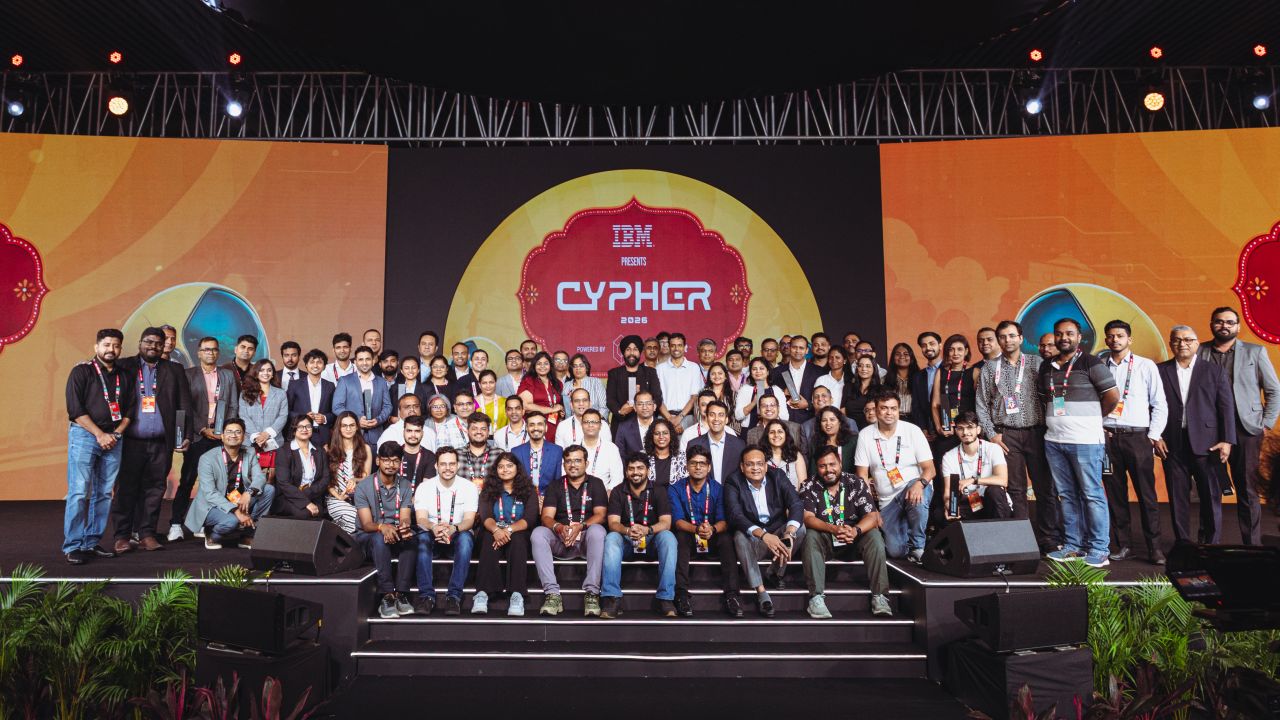
Entre os principais players como Zinnov Zones, ISG e Everest Group, entre muitos outros, nossas equipes foram reconhecidas como líderes em diversos setores, soluções técnicas e serviços de consultoria.
Equipe Executiva da Marlabs
Nossa equipe executiva reúne profunda experiência no setor, liderança arrojada e um compromisso compartilhado em entregar resultados transformadores para nossos clientes. Guiados por uma mentalidade centrada no cliente e uma paixão pela colaboração, eles lideram a Marlabs com um foco claro em inovação e impacto mensurável.
Perguntas Frequentes
Quer saber mais sobre o que oferecemos, nossa missão, como garantimos resultados práticos, nossa experiência específica por setor, nossos modelos de engajamento e nossa história? Encontre todas as respostas e muito mais aqui.